Define the lift plan first
- What is the load weight at the boom angle where it will be set?
- How far must the load be placed over a wall, slab edge, or stockpile?
- Will the machine travel with the load across uneven ground or stay near a pad?
Capacity charts vary with boom extension and angle. The required placement height and setback often reduce usable capacity more than expected.
York site factors
- Clay and rock soils can rut after wet weather. Rough-terrain tires and adequate ground clearance are commonly considered for exterior handling.
- Winter work may limit traction on sloped yards; plan travel paths and turning areas before scheduling deliveries.
- Industrial sites around York mix paved truck courts with compacted stone. The transition zones usually determine tire type and speed of movement.
Measurements that narrow selection
- Maximum load weight and the placement distance over edges or into bays.
- Boom length needed to set materials on second-story decks or across wide foundations.
- Machine width and turning radius for navigating gates and laydown corridors.
- Coupler type and rated capacity if planning specific forks or carriage widths.
When another machine fits better
- Strictly indoor pallet moves on smooth floors may point to a warehouse forklift. See /forklift-rental/.
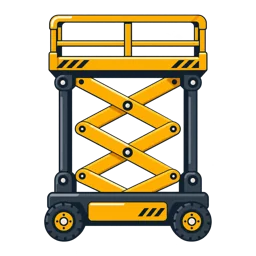
- If the goal is to lift people for elevated work, consider /boom-lift-rental/ or /rough-terrain-scissor-lift-rental/ depending on surface and height.
Logistics around York’s industrial mix
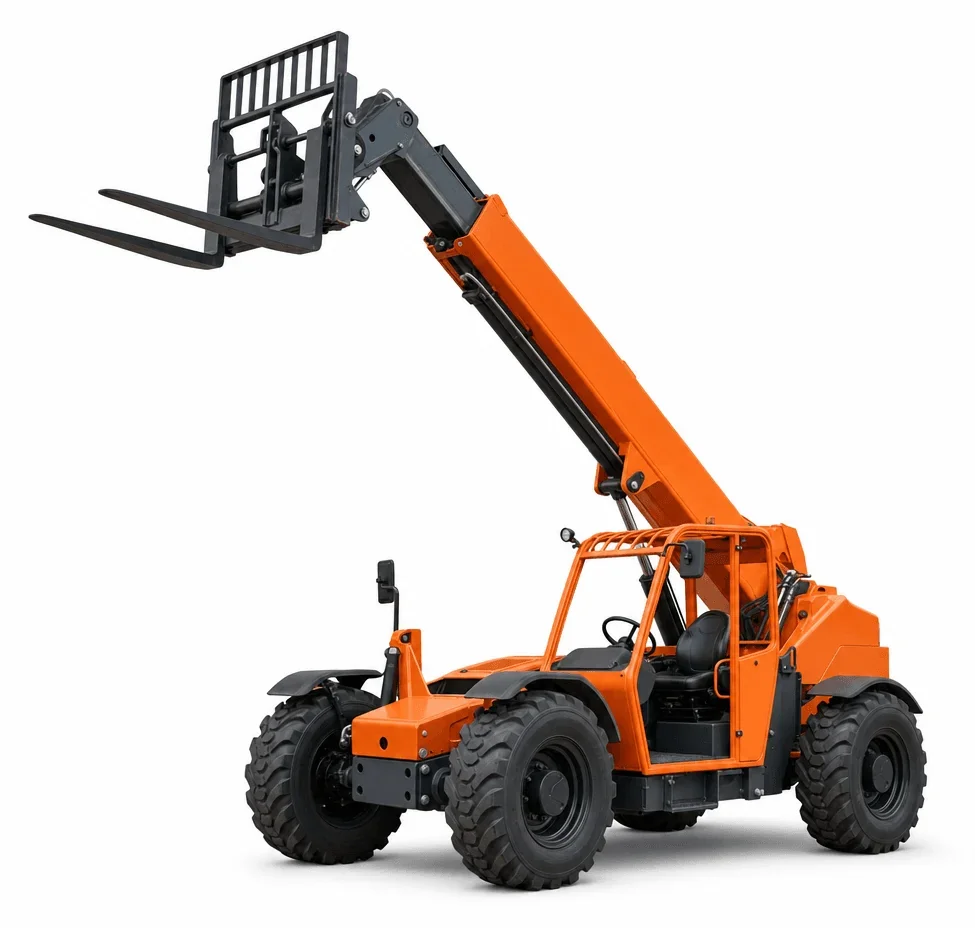
Deliveries to local distribution buildings often require placing loads over dock walls or onto elevated platforms with limited approach space. Plan trailer positions, turning clearances, and any grade breaks so the telehandler can hold capacity at the required reach.
Related categories
- Forklifts for floor-level handling: /forklift-rental/
- Aerial access options: /aerial-lift-rental/