What makes the York decision different
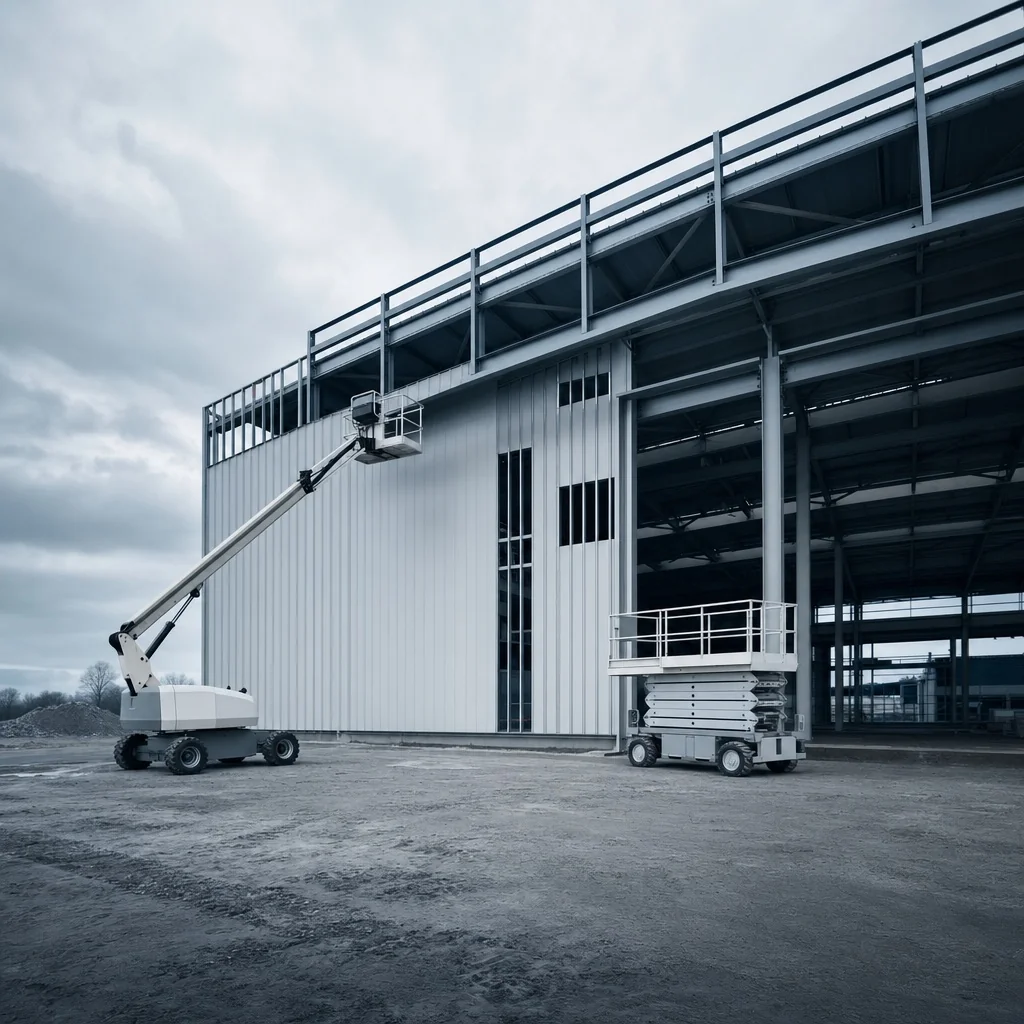
Projects here swing between historic plant retrofits and modern high-bay logistics buildings. That split changes the geometry: can the machine sit below the task, or must it reach over conveyors, mezzanines, or roof trusses? For indoor work, slab conditions and turning aisles become the constraint. Outdoors, rolling ground and wet seasons often shift the discussion to ground clearance and tire type.
Key inputs that shape the shortlist: - Working height vs. platform height needed beneath sprinklers, lighting, or duct runs - Floor rating, doorway width, and elevator limits inside industrial buildings - Slope, ruts, and clay-heavy soil common around active sites in York County - Seasonal transitions that favor electric units for winter interiors and rough‑terrain units for spring ground
How the guide is organized
Each equipment category explains when to prioritize footprint, reach, or terrain capability, then points to related options if the first pick doesn’t fit. For example: - Electric scissor models when aisles, mezzanines, and clean floors matter: /electric-scissor-lift-rental/ - Rough‑terrain scissor units when outdoor grades and soft soil are the bind: /rough-terrain-scissor-lift-rental/ - Articulating or telescopic booms when obstacles require up‑and‑over or long outreach: /articulating-boom-lift-rental/ and /telescopic-boom-lift-rental/ - Vertical masts for tight indoor picks and light floor loads: /vertical-mast-lift-rental/
Actual site conditions, the selected unit’s instructions, and facility procedures govern elevated work.
Who benefits
- Facility maintenance teams planning work during seasonal inventory shifts in climate‑controlled spaces
- Renovation crews dealing with uneven approaches and partial slabs
- Contractors coordinating exterior envelope work across rolling grades
If a comparison raises more questions than answers, see /products/ for category overviews or reach out through /contact/.