Start with the geometry of the work
- Can the base sit below the task and swing the knuckle around ducts, racks, or eaves?
- Is there room to rotate without clipping columns, sprinklers, or pallet lanes?
- Does the platform need horizontal reach more than vertical height because of parapets or machinery?
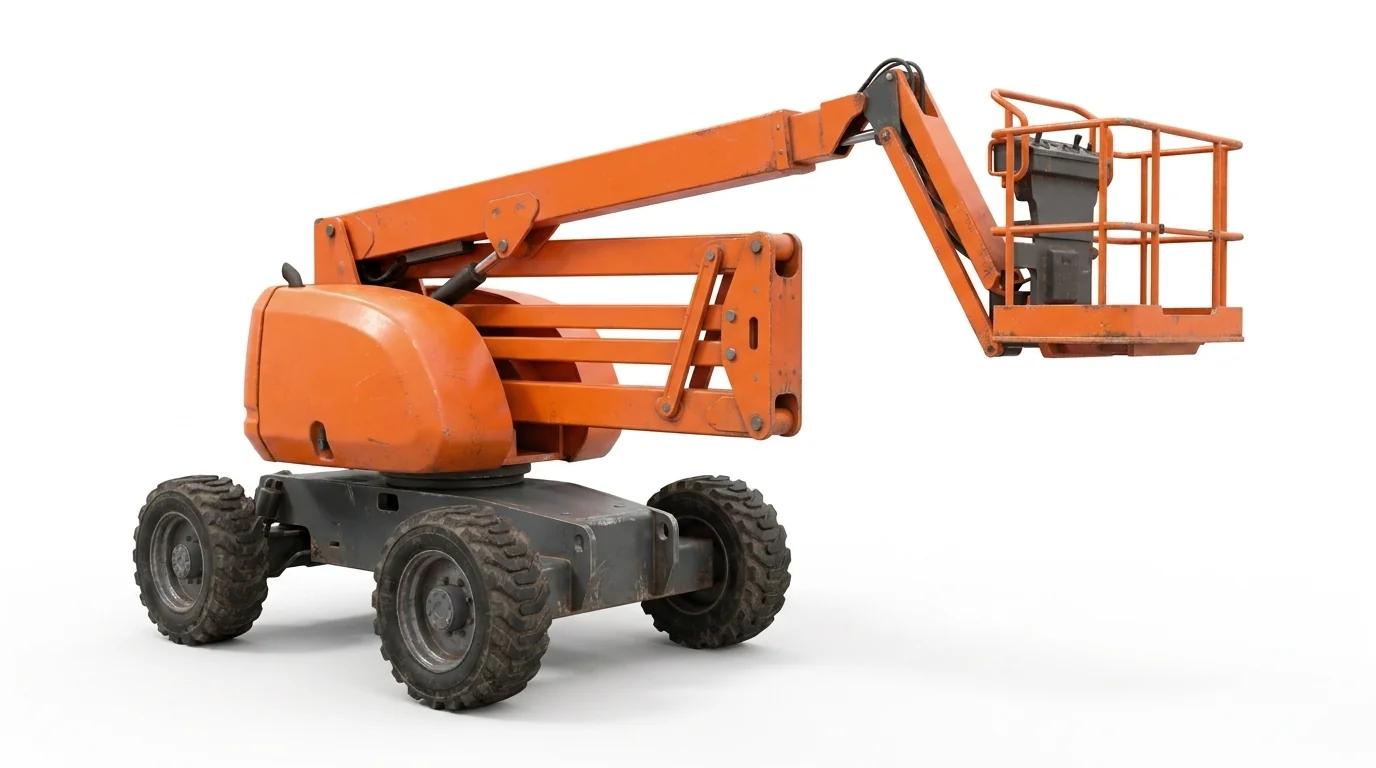
Articulating booms trade top-end height for the ability to bend around obstacles. In older plants around York, that often means clearing beams and running conduit, not just going straight up. In local distribution buildings, the need is usually to reach over racking or mezzanines without shutting down aisles for long.
York site conditions that affect selection
- Rolling terrain and clay-heavy soil can leave soft spots after rain. Rough-terrain models with appropriate tires and ground clearance are typically considered for exterior work.
- For interior maintenance in climate-controlled spaces, electric or hybrid units reduce emissions and noise while keeping floor load lower than some outdoor-focused models.
- Winter jobs may face snow-packed staging areas; plan turn radius and approach paths so the chassis stays stable when approaching doors or dock aprons.
Measurements that narrow the machine
- Working height and up-and-over clearance: confirm the highest obstruction and the setback distance from the base to the work face.
- Platform capacity: signage, HVAC parts, conduit, or tools may push you into a higher-capacity basket.
- Width and stowed length: check doorways, interior columns, and exterior gate openings.
- Gradeability and turning radius: especially relevant on sloped yards and service roads common around industrial sites in York, PA.
When a different lift fits better
- If the task is a straight shot across a yard wall or façade, a telescopic model may offer cleaner positioning. See /telescopic-boom-lift-rental/.
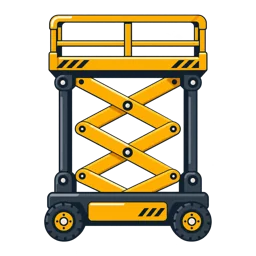
- If the work is vertical and inside a warehouse with smooth floors, an electric scissor often handles it more efficiently. See /electric-scissor-lift-rental/.
Planning around access routes
Map the path from staging to the work face. In York’s mix of historic buildings and modern logistics centers, pinch points often occur at loading docks, older doorways, and transitions from asphalt to compacted stone. Clearance, surface firmness, and turning space typically determine whether a selected articulating model can actually reach the job.
Related categories
- Straight booms for long façade runs: /telescopic-boom-lift-rental/
- Category overview: /boom-lift-rental/
- Material handling support: /telehandler-rental/